


Stone Matching Techniques: Book Match, Vein Match, Slip Match, and More
Mr. Afraz
Natural stone is one of the few materials that never repeats itself. Every slab carries its own mix of veining, movement, and color variation, making each installation inherently unique. But selecting the stone is only part of the story. How those slabs are arranged can completely change the final result, turning the same material into either a quiet backdrop or the defining feature of a space.
By carefully considering marble slab matching and stone slab layout, designers can shape how a surface is experienced at scale. In some cases, the goal is drama and symmetry. In others, it is flow and continuity. From marble feature walls to expansive floors and bespoke reception spaces, the way stone is installed is often what separates standard finishes from truly exceptional natural stone installation.
Types of Stone Matching Explained
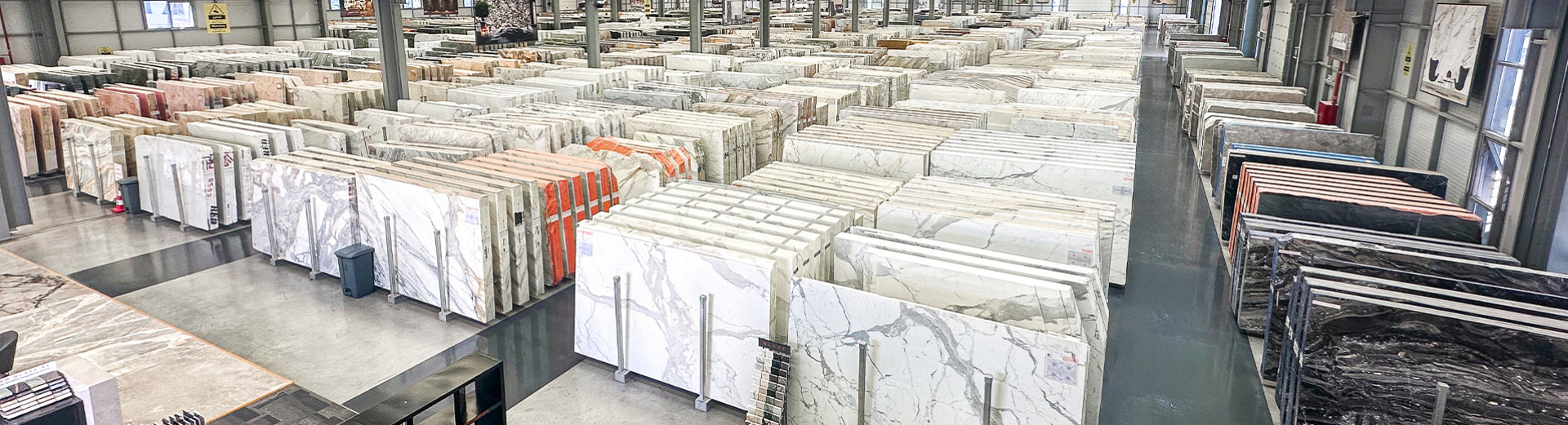
To understand stone matching, it helps to first understand how natural stone is created and processed. Think of a block of marble like a loaf of bread. It is cut into slabs in sequence, with each slice revealing a slightly different part of the material. Just as no two loaves come out of an oven exactly the same, no two stone blocks are identical. Even stone from the same quarry can shift in tone, movement, and veining depending on where it was formed within the earth.
Once cut, these slabs become a design toolkit. The way they are arranged defines the final visual language of the space.
Book Matching
If we continue with the bread analogy, book matching is essentially what happens when two consecutive slices are opened out like pages of a book. One slab is polished on the face, and the next is flipped so its mirror counterpart sits directly beside it, creating a mirrored composition where the veining reflects across the seam like a single continuous gesture.
The effect is bold, graphic, and highly sculptural, often resembling butterfly wings.
Best for: Feature walls in luxury hotels, elevator lobbies, and statement interiors.
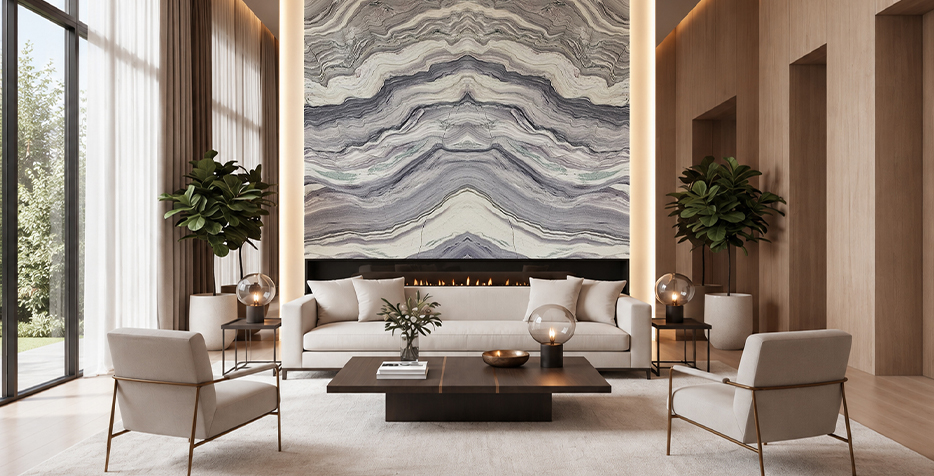
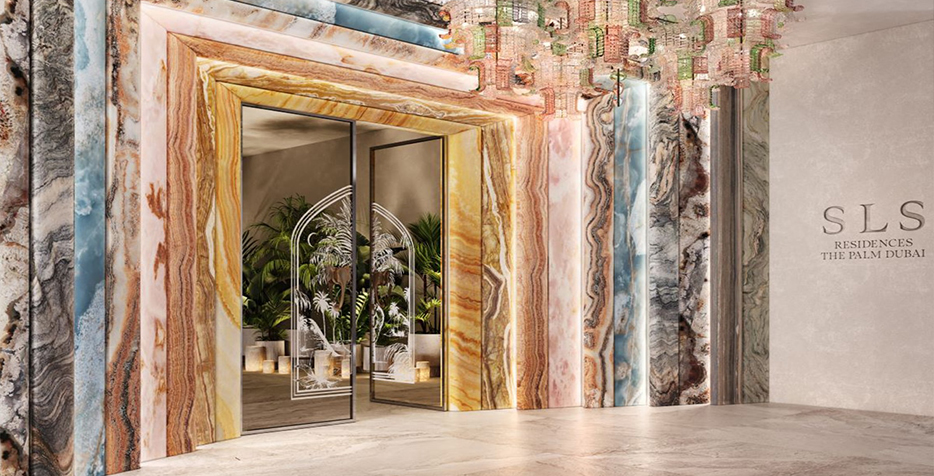
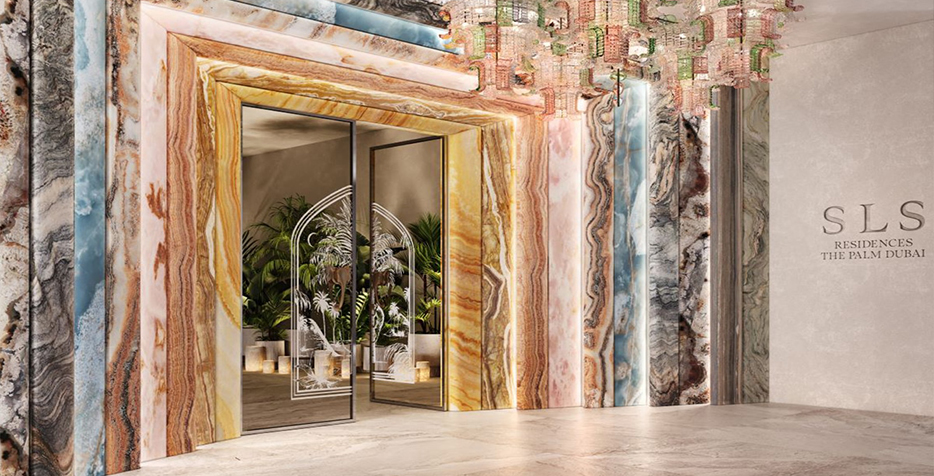
Book match marble UAE projects have become especially prominent in high-end residential towers, hospitality developments, and branded residences, where stone is treated as a central architectural feature rather than a background material.
Four-Way Matching
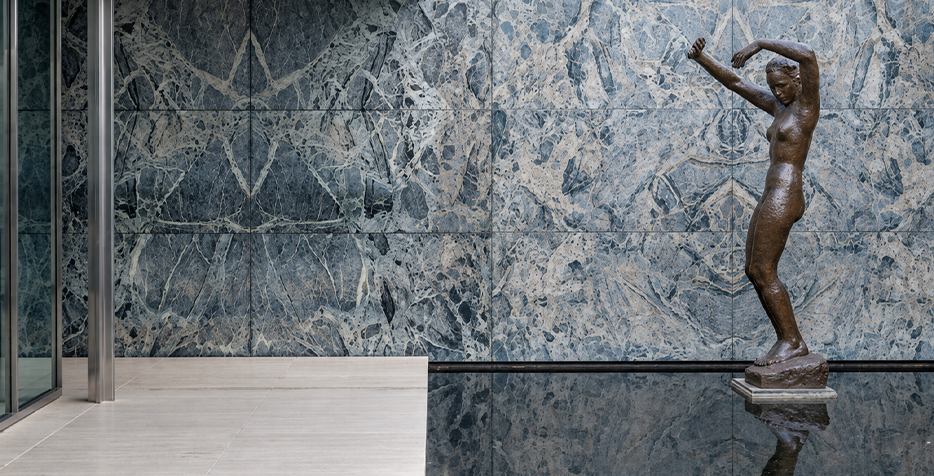
Four-way matching expands on book matching by arranging four slabs around a central point. Each piece is rotated and flipped to create a radial symmetry that feels almost organic in its geometry.
The result can resemble a flower, a starburst, or a naturally formed artwork within the stone itself.
Best for: Grand entrances, luxury residences, hotel lobbies, and focal feature walls.
Vein Matching
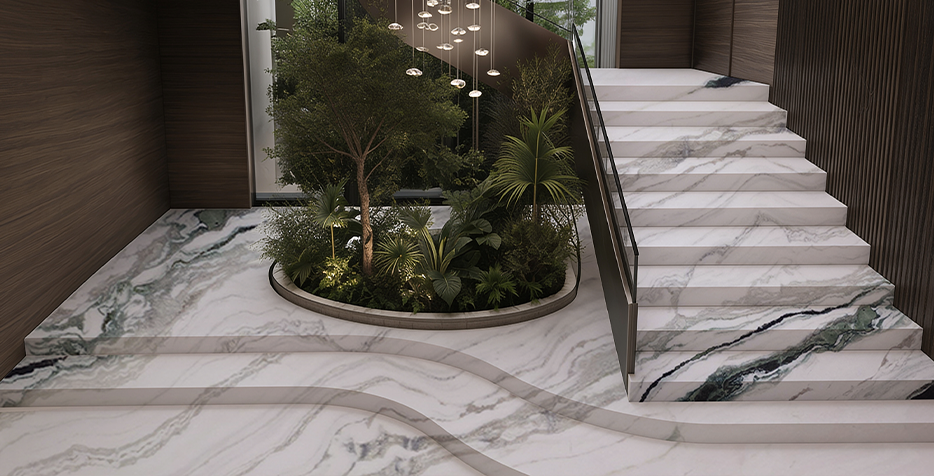
Vein matching focuses on continuity rather than reflection. Instead of mirroring patterns, the goal is to align veining so it flows naturally from one slab to the next, reducing visual interruption.
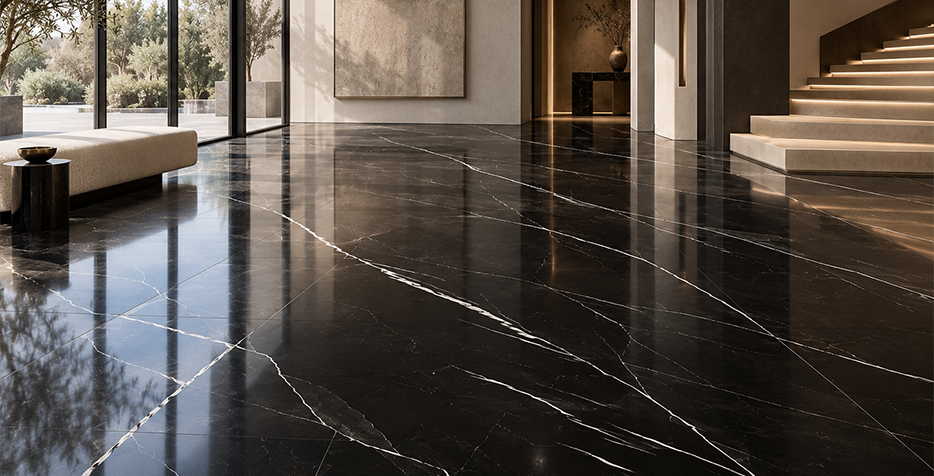
The result is a calm, continuous surface where the stone reads as one unified composition. Vein matched marble is often chosen when designers want the material to feel architectural, restrained, and seamless.
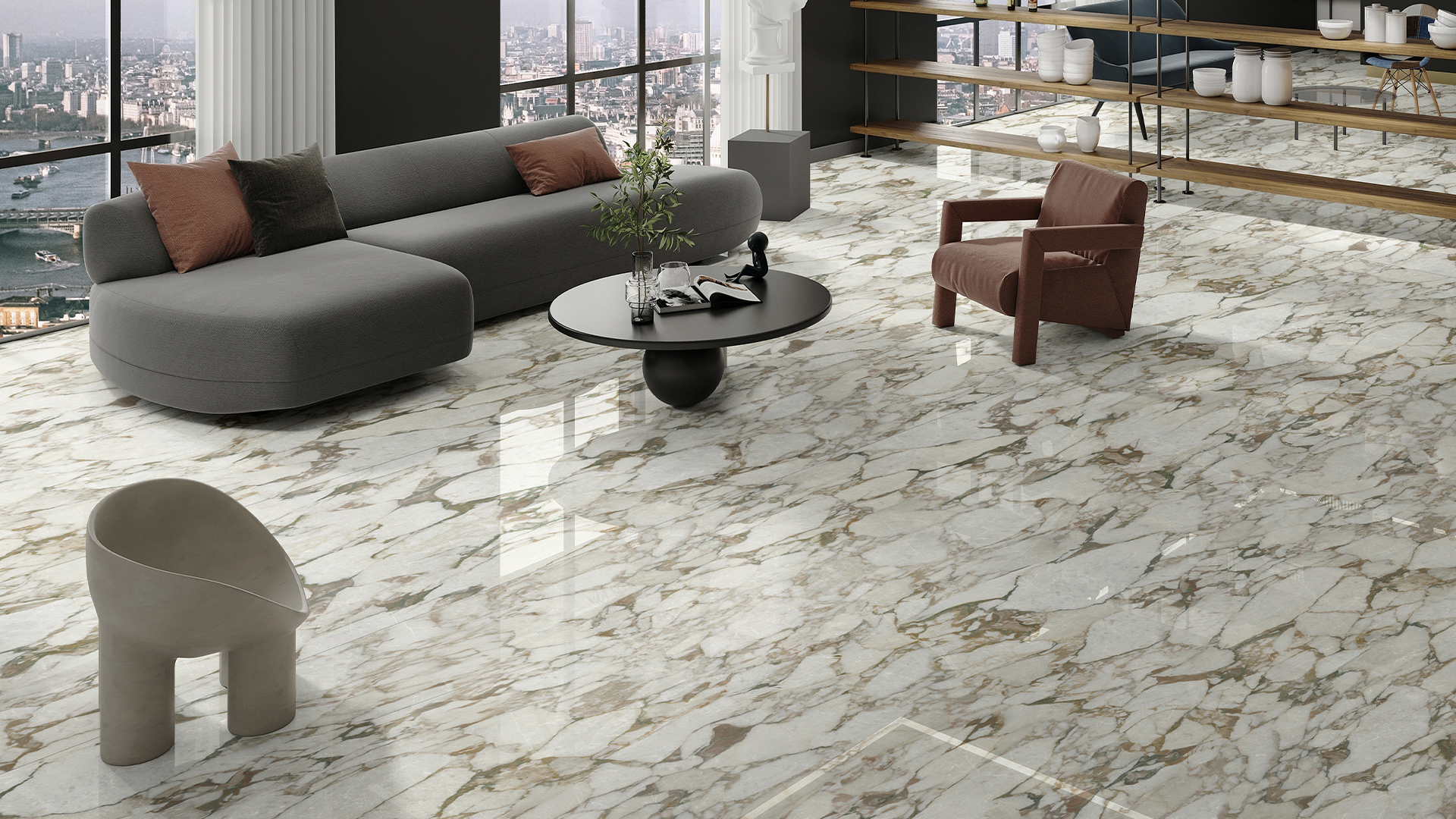
Best for: Large floors, exterior cladding, and expansive hospitality spaces.
Slip Matching
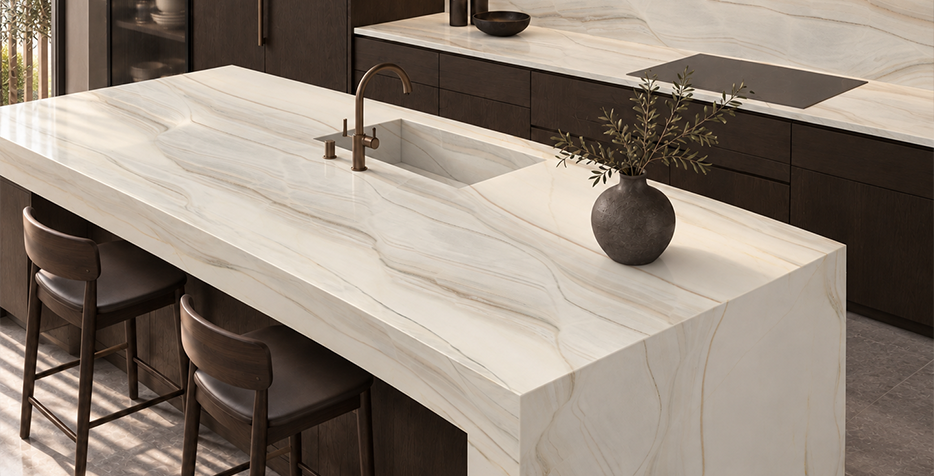
Slip matching can be understood as a controlled progression. Each slab is installed in the same orientation and placed in sequence, allowing the natural changes in the stone to move gradually across a surface.
A helpful way to think about it is like a flip book. Each page is similar, but slightly different. As you move through them, the image evolves rather than repeating.
The result is subtle movement, where the stone reveals variation in a controlled and elegant way.
Best for: Contemporary interiors and large-format marble slab installations.
Sequential Matching
Sequential matching takes this idea further by preserving the exact order in which slabs are cut from the block. It is the most literal translation of the stone’s origin, maintaining its natural geological progression.
Unlike slip matching, which is about orientation and layout, sequential matching is about sequence and storytelling. The stone shifts gradually across the surface in a way that feels entirely organic.
Best for: Large-scale residential and commercial stone slab layouts requiring visual continuity, flooring for homes, spas, elegant retail.
Choosing the Stone Layout
There is no universally correct approach to natural stone matching. Some spaces call for the drama of book matching, where marble becomes a sculptural focal point. Others rely on the quiet rhythm of vein matching or slip matching, where the material is allowed to unfold more gently across a surface.
What matters most is intent. The best stone slab layout feels deliberate but not forced, structured but still true to the material itself. In luxury stone interiors, this balance is often what defines whether a space feels simply finished or genuinely designed.
In the end, great stone design is not just about selecting a beautiful slab. It is about understanding how that slab connects to the next, and the next after that, until an entire space feels cohesive, intentional, and quietly powerful. This is what defines premium marble design, and why techniques like book match marble remain so widely used across luxury residential, hospitality, and commercial projects in the UAE and beyond.