


Travertine's Return: How an Ancient Stone Became a Contemporary Design Favorite
Mr. Kevin Manuel
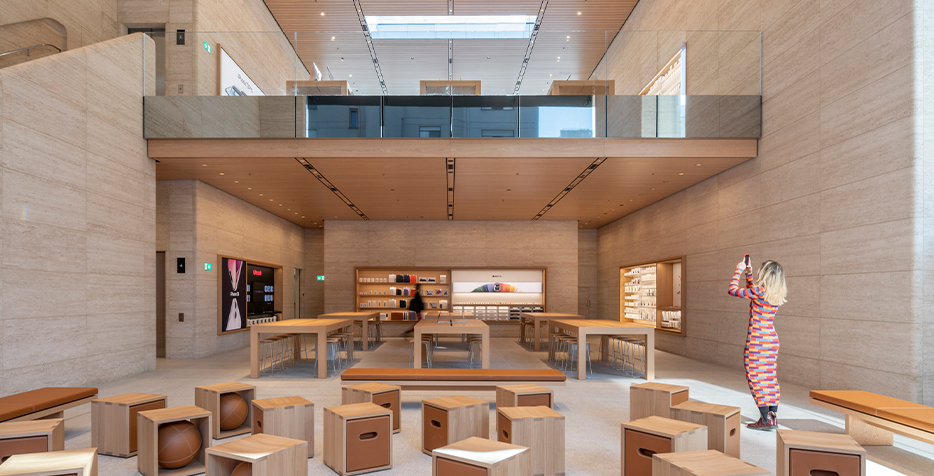
The stone that built ancient Rome continues to find new relevance in contemporary design, appearing everywhere from minimalist villas and boutique hotels to luxury spas, wellness retreats, and high-end residential interiors.
Travertine is experiencing a remarkable resurgence. Once overshadowed by polished marbles and engineered surfaces, designers are rediscovering its warmth, authenticity, and ability to bring texture and depth into increasingly minimalist spaces. In an era dominated by natural materials, organic forms, and quiet luxury, travertine feels more relevant than ever.
From Ancient Rome to Contemporary Architecture
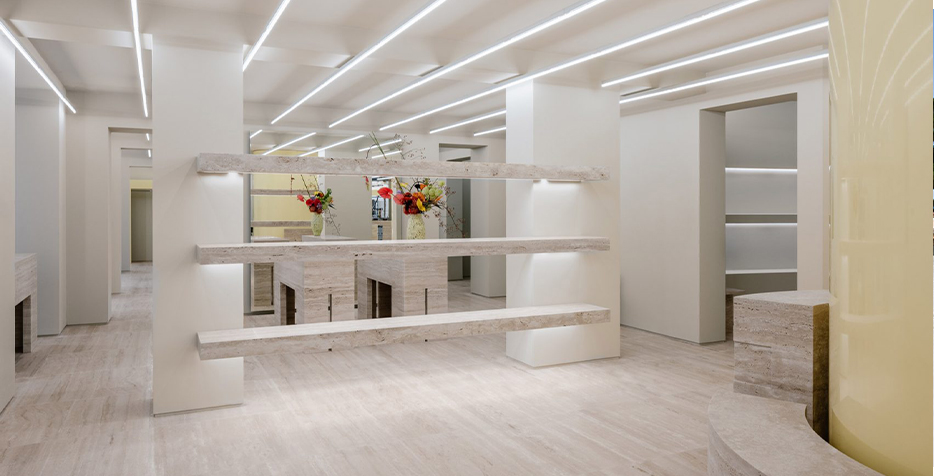
Travertine's architectural legacy is difficult to overstate. Quarried around Tivoli, just outside Rome, the stone was known to the Romans as lapis Tiburtinus. It became one of the defining materials of the ancient world, most famously used in the construction of the Colosseum, where its strength and workability enabled one of history's greatest engineering achievements. Its use continued for centuries across Italy, including in St. Peter's Basilica and countless palazzos, piazzas, and civic buildings that still stand today.
In more recent history, projects such as the Getty Center in Los Angeles helped reintroduce travertine to contemporary architecture. Richard Meier's extensive use of Italian travertine demonstrated that a material rooted in antiquity could feel entirely at home within a modernist vocabulary. More recently, travertine has become a staple of contemporary hospitality design, appearing in luxury resorts, wellness destinations, and residential projects where warmth and materiality are central to the design narrative.
Endless Customization
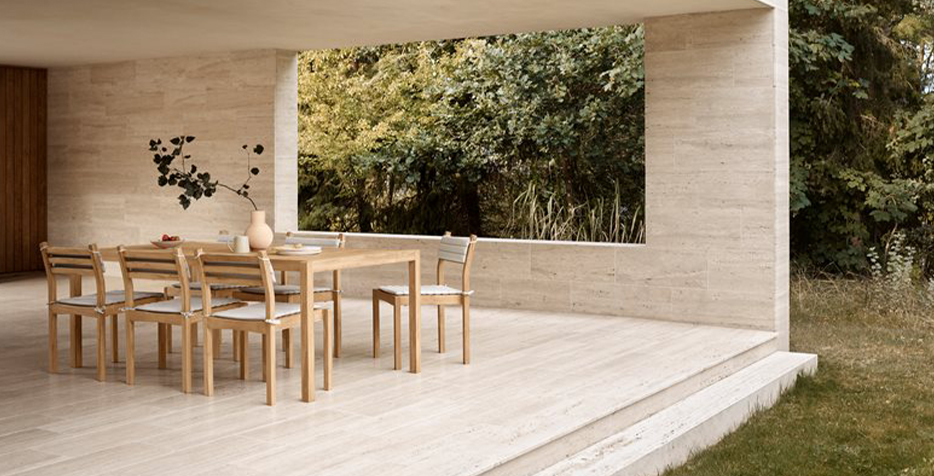
Unlike most marble and natural stones, there is no single look that defines travertine. The finished product is shaped by a series of decisions made before the slabs reach the project site. The quarry, color, cut, filling process, and finish all influence the result, allowing designers to tailor the stone to a remarkably wide range of architectural styles, as well as budgets.
The same travertine block can feel rustic and Mediterranean, minimalist and contemporary, or refined and formal depending on how it is processed.
1. Cutting
One of the first decisions is whether the stone is cut along or across its natural bedding.
VEIN CUT TRAVERTINE reveals long linear bands that emphasize the geological layers formed over thousands of years. The resulting look is clean, directional, and architectural, making it particularly popular in contemporary interiors and large-format wall applications.
CROSS CUT TRAVERTINE exposes the stone's natural clouds, movement, and organic patterning. The effect is softer and often more familiar, highlighting the texture and character traditionally associated with travertine.
2. Filling
Travertine's natural pores are among its most recognizable characteristics. Formed by escaping gases during the stone's formation, these voids can either be preserved or filled depending on the desired aesthetic and performance requirements.
UNFILLED travertine retains its natural texture and geological character. It feels relaxed, authentic, and connected to the landscape.
FILLED travertine offers a smoother, more refined surface suitable for contemporary interiors and high-traffic applications.
Many designers now favor a middle ground, allowing some of the natural texture to remain visible while creating a more practical surface for everyday use.
3. Finishes
Few natural stones transform as dramatically through finishing as travertine.
A polished travertine surface reflects light and enhances the depth of color, creating a more formal and luxurious appearance, recommended for indoor applications in order to minimize maintenance.
A honed finish softens the stone and creates the understated matte surface favored in many contemporary interiors.
Brushed finishes introduce texture, giving the stone a lived-in quality that feels especially appropriate in hospitality and residential environments.
For outdoor applications, designers often select brushed or unfilled finishes that emphasize the stone's natural character while improving slip resistance.
Each finish highlights a different aspect of the material, making travertine one of the most adaptable stones available to architects and designers.
4. Color and Origin
Color plays an equally important role in shaping the atmosphere of a space.
Travertines from Tivoli, Italy are prized for their creamy ivory tones and timeless character. They are often associated with the classic Roman aesthetic that has influenced architecture for centuries.
Turkish travertines, which have become increasingly prominent in global markets, offer a broader spectrum of colors and movement while maintaining the material's signature warmth.
Among the most sought-after travertine today is the Navona Travertine, valued for its soft yet bright ivory and cream palette.
Classico Travertine, known for warm beige and honey tones that work across a wide range of architectural styles.
Noce Travertine, whose rich walnut coloring brings depth and intimacy to a space.
Silver Travertine, distinguished by layers of grey, taupe, and silver that complement contemporary interiors particularly well.
Less common varieties such as yellow and red travertines demonstrate the material's surprising diversity and offer opportunities for more expressive applications.
The choice of color often has as much impact on the mood of a project as the design itself.
Why Travertine Works So Well
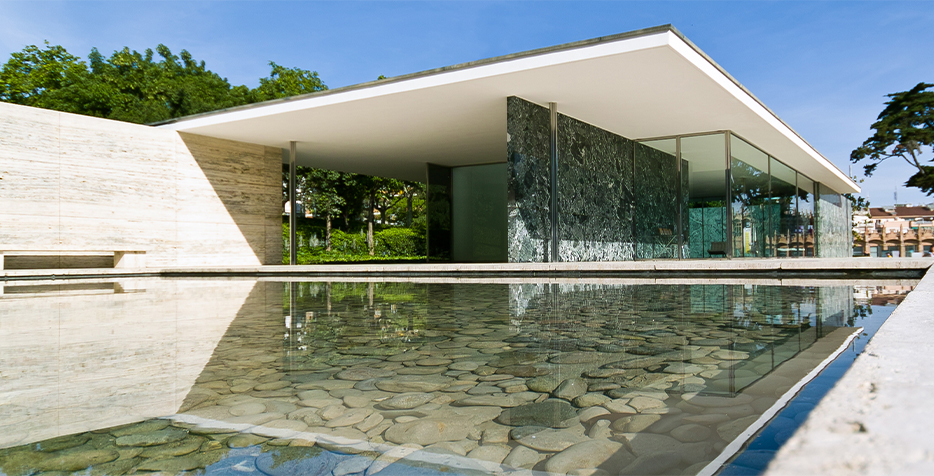
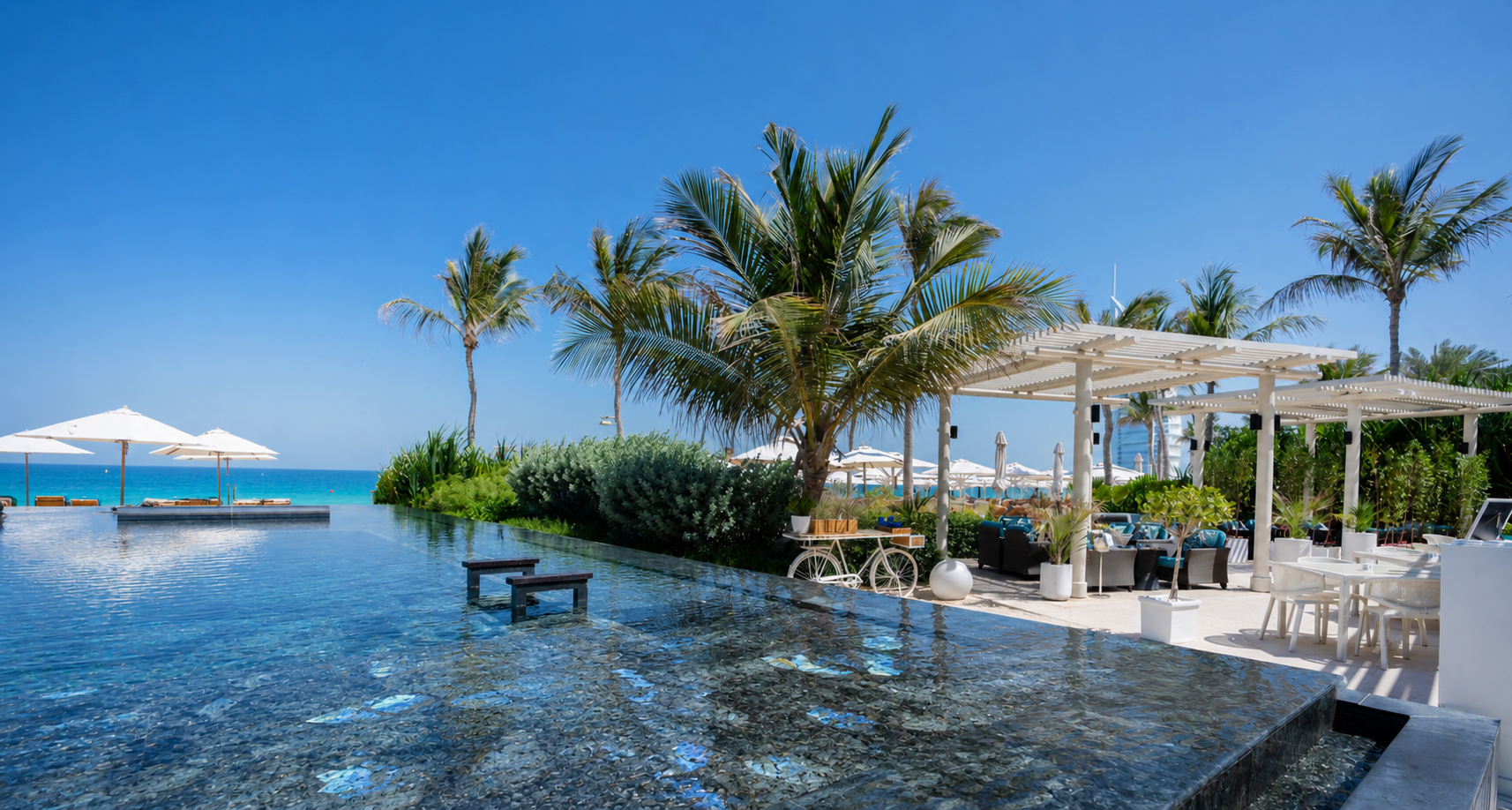
Travertine's popularity extends well beyond interiors. Its ability to remain relatively cool under direct sunlight has made it a preferred material for pool surrounds, terraces, courtyards, and outdoor entertaining spaces, particularly in warmer climates. The naturally textured surface also provides a practical level of slip resistance without sacrificing aesthetics.
These qualities have made travertine a defining feature of luxury resorts and private residences throughout the Mediterranean, the Middle East, and beyond.
Travertine's resurgence also reflects a broader shift in design. For years, luxury was often defined by perfection: highly polished surfaces, uniform finishes, and materials selected for consistency. Today, many architects and designers are moving in the opposite direction. Materials are valued for their variation, texture, and evidence of natural formation. Travertine sits comfortably within this conversation.
It offers warmth without feeling rustic, sophistication without feeling formal, and character without demanding attention. More importantly, it can be shaped to suit almost any design language through its cut, finish, filling process, and color selection.
Perhaps that is why a material first used by the Romans feels so relevant today. While styles continue to evolve, the appeal of natural materials with depth, texture, and a sense of permanence remains remarkably consistent.